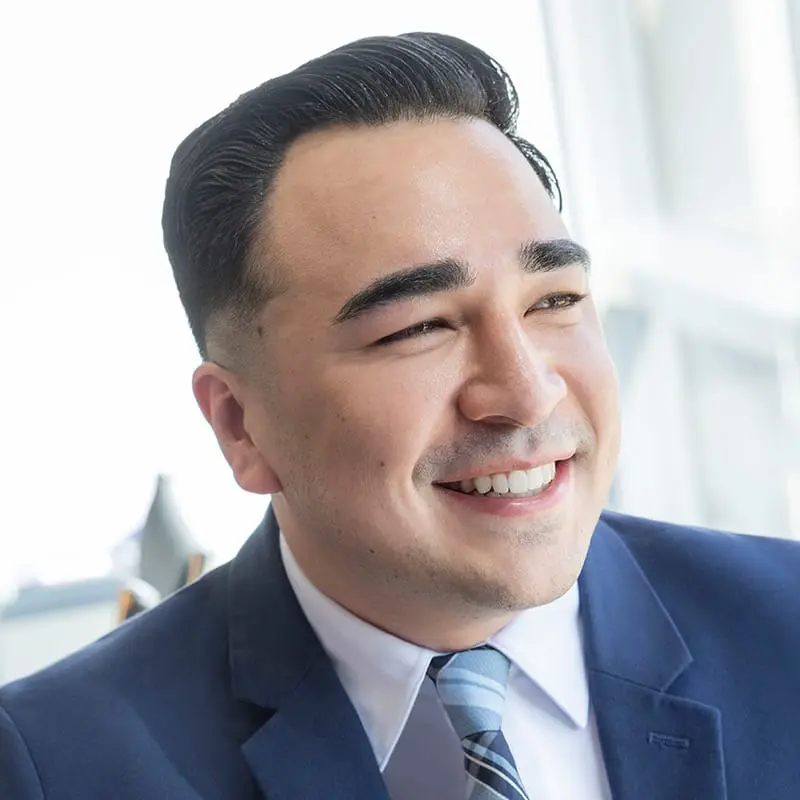



Justin Wilson
Senior Attorney
A parole hearing can change your life. The Texas Board of Pardons and Paroles reviews tens of thousands of cases each year. The outcome of your hearing depends on how well you present your case. A Dallas parole lawyer helps you handle this critical process. My Dallas Criminal Lawyer understands what parole boards look for and knows how to build a compelling case on your behalf.
When you face a parole hearing, you need an attorney who understands the Texas parole system. My Dallas Criminal Lawyer brings years of experience representing clients before the Texas Board of Pardons and Paroles. We know the board’s expectations, the factors that influence their decisions, and the strategies that work.
Our approach focuses on thorough case preparation and strategic presentation. We review your entire file and identify the strongest arguments in your favor. We develop a hearing strategy tailored to your situation. We also help you prepare your testimony so you can present yourself effectively to the board. When you work with My Dallas Criminal Lawyer, you get an attorney who treats your case with the attention it deserves.
Ready to discuss your parole case? Call 214-949-4117 for a free consultation.
The Texas Board of Pardons and Paroles operates differently from a criminal court. The board does not hold trials or hear evidence the way a judge does. Instead, board members review your file, consider your background, and evaluate whether you pose a risk to public safety.
The parole process begins with eligibility. In Texas, most inmates become eligible for parole after serving a portion of their sentence. The exact timeline depends on your offense and sentence length. Once you become eligible, you can request a parole hearing.
The Texas parole process is primarily a file review rather than an in-person hearing. The Board votes based on a comprehensive review of your file, institutional record, and parole packet. While inmates are interviewed by an Institutional Parole Officer (IPO), they typically do not appear before the voting Board members. This makes your written parole packet and your attorney’s presentation to the Lead Voter critical. We request an interview with the Lead Voter to advocate for your release directly, ensuring your side of the story is heard even when you cannot be there.
Preparation makes the difference between approval and denial. My Dallas Criminal Lawyer takes a comprehensive approach to getting you ready for your hearing.
We start with a detailed case evaluation. We review your entire file, including your offense, sentence, institutional record, and any prior parole decisions. This review helps us identify the strongest points in your favor and any challenges we need to address.
Next, we develop a hearing strategy. We determine which arguments will resonate with the board and how to present your case most effectively. We also help you gather supporting documentation—letters from family, employers, or community members who can speak to your character and rehabilitation.
We prepare you for your interview with the Institutional Parole Officer (IPO). Since the IPO’s report heavily influences the Board, we ensure you are ready to answer questions about your history, your rehabilitation, and your future plans effectively. We also help you articulate your remorse and growth, ensuring your file reflects the person you are today, not just your past mistakes. On hearing day, we represent you before the board, present your case, and advocate for your release.
Not everyone in prison qualifies for parole. Texas law sets specific eligibility requirements based on your offense and sentence.
For most non-aggravated offenses, inmates become eligible for parole when their actual time served plus good conduct time equals one-fourth (1/4) of their sentence or 15 years, whichever is less. However, for ‘3g’ aggravated offenses (such as aggravated assault or murder), inmates must serve half (1/2) of their sentence or 30 years calendar time—without good time credit—before becoming eligible. Certain violent crimes carry even longer requirements—capital murder requires 40 years minimum, and aggravated sexual assault with prior felonies requires 35 years minimum.
The Texas Board of Pardons and Paroles uses a parole guidelines score to evaluate cases. This score considers factors like your age, criminal history, institutional conduct, and the nature of your offense. The board also looks at your parole plan—where you will live, whether you have employment lined up, and what support system you have in place.
The board considers several factors when deciding whether to grant parole:
If you are released on parole, you must follow the conditions set by the board. Violating those conditions can result in parole revocation—sending you back to prison.
A parole violation can be technical or substantive. A technical violation means you broke a condition of parole, such as missing a check-in or failing a drug test. A substantive violation means you committed a new crime. Either type of violation can lead to revocation.
If the board believes you violated parole, you have the right to a revocation hearing. At this hearing, the state must prove the violation occurred. You have the right to present evidence and witnesses in your defense. My Dallas Criminal Lawyer represents you at revocation hearings and fights to protect your freedom.
We examine the evidence against you and challenge violations that lack sufficient proof. We present mitigating factors that support keeping you on parole. In some cases, we negotiate with the board to modify your parole conditions instead of revoking parole entirely.
Representing yourself at a parole hearing puts you at a significant disadvantage. The parole process is complex, and the board expects professional presentation. Without an attorney, you may miss critical arguments, fail to present evidence effectively, or say something that hurts your case.
An attorney improves your chances of parole approval. We know what the board wants to hear and how to present your case persuasively. We also understand the parole guidelines and can explain how they apply to your situation. We help you handle the emotional aspects of the hearing so you can focus on presenting yourself in the best possible light.
The board hears hundreds of cases. Your attorney ensures your case stands out. We help you demonstrate your rehabilitation clearly. We also protect your rights throughout the process and ensure the board follows proper procedures.
The timing of your parole hearing depends on your assigned review date. The board sets this date based on your sentence and offense type. Under Texas law, you are generally entitled to a revocation hearing within 41 days of being taken into custody on a blue warrant. Timelines are critical in revocation cases. My Dallas Criminal Lawyer moves quickly to investigate the allegations and prepare your defense before this deadline expires. If parole is granted, release usually occurs within a few weeks. If denied, you may request another hearing after a set period.
Yes, but prior violations make approval more difficult. The board considers your entire history, including any previous parole violations. However, if you can demonstrate rehabilitation and explain what you learned from past mistakes, the board may still grant parole. An attorney helps you address prior violations effectively.
You typically do not bring documents to the hearing—your attorney handles presentation of evidence. However, you should bring a clear understanding of your parole plan, including where you will live and how you will support yourself. Dress professionally and arrive early. Your attorney will guide you through the specific requirements.
My Dallas Criminal Lawyer handles every aspect of preparation. We review your file, develop strategy, help you gather supporting documents, prepare your testimony, and represent you at the hearing. We also answer your questions and address your concerns throughout the process.
The board’s decision depends on many factors, including your offense, institutional record, parole plan, and the board’s assessment of public safety risk. We cannot guarantee a specific outcome, but thorough preparation and strong legal representation improve your chances. We evaluate your case and give you an honest assessment of what to expect.
Your parole hearing is too important to face alone. My Dallas Criminal Lawyer provides the experienced legal representation you need to present your case effectively and improve your chances of approval. We understand the Texas parole system and know how to advocate for your release.
Call 214-949-4117 today to schedule your free consultation. Let us help you take the next step toward freedom.
Collin County
August 2025
Acquitted
Driving While Intoxicated Jury Trial
Collin County
August 2025
Dismissed
Second-Degree Felony Sexual Assault of a Child
Collin County
August 2025
Felony Reduced
State Jail Felony DWI with Child Reduced to Misdemeanor
Denton County
July 2025
NO-BILL
3 Counts of Manslaughter & 3 Counts of Aggravated Assault with a Deadly Weapon
Dallas County
June 2025
Dismissed
Second-Degree Felony Aggravated Assault with Deadly Weapon
Denton County
June 2025
Felony No-Billed & Motion to Revoke Withdrawn
State Jail Felony Injury to Elderly & Motion to Revoke Misdemeanor Probation
Dallas County
May 2025
Deferred Adjudication
Second-Degree Felony Aggravated Assault w/Deadly Weapon Reduced to Class A Misdemeanor Discharge of Firearm in Certain Municipalities
Denton County
May 2025
Dismissed
Class A Misdemeanor Assault Family Violence

Eddie C.

Justin is a truly talented lawyer. His ability to think critically, and analyze quickly, are just a couple of traits that make him an excellent advocate for anyone charged with a crime. I’ve sat next to him in the courtroom and it is truly amazing to see him connect with a jury. He is an absolute pro.
Kamran V.
This law firm did an outstanding job for me. From start to finish, they were professional, knowledgeable, and supportive. They delivered exactly what they promised, and I couldn’t be happier with the result. I highly recommend them to anyone who needs legal help.
Thomas A.
Justin Wilson and Justin Harris were amazing. Highly recommend them.
Lybbie
I trust Justin for any legal related questions and he certainly delivers. I recommend him 100% as he is committed to you from start to end- no matter the situation.
Cristal D.
Absolutely the best team you could ask for. From start to finish, the entire office was professional, compassionate, and truly dedicated. They made me feel heard, respected, and confident during one of the most stressful times of my life. Their communication was consistent, and you can tell they genuinely care about their clients and their outcomes.
If you’re looking for a lawyer who is sharp, honest, and will fight for you like it’s personal – this is the team you want on your side. I can’t thank them enough for everything they did. They truly are the best in the business.
Natalie M.
Justin Harris was an exceptional lawyer- he is hardworking and dedicated and will reach your needs and more.
He was reliable and professional in every way. He makes sure that you are not only heard but seen. When working with Justin- it gave me strong trust that he cared and that he is a man of his word.
Highly recommend this law firm. Justin and the team handled my case with the upmost care, always kind and professional, and let me know all the details every step of the way.
Prof. Carlos R.
My first impression with Justin and Heidi was that they are a first class law firm, very professional and very open to answering questions and making a person feel appreciated. I am glad I met both at Formation in Frisco Texas.
Alex C.
I have come to know Justin and his team through my practice as a civil lawyer, and Justin has always impressed me with the way he treats his clients, and his ability to clearly explain options. He works tirelessly to be prepared for all his cases, and always treats others with professionalism and respect.
Joshua J.
Justin is a super professional lawyer with positive results. I would refer Justin to any one who needs help with anything. Justin gets it done with positive results.
Yoker V.
I highly recommend Justin 100%, the total positive experience started the moment we first spoke. Justin is a complete and total professional and a highly skilled lawyer outside and especially inside the courtroom. My case had its challenges but Justin skillfully did his research and presented the court and jury a master class. At the end of trial the judge looked at prosecutor and said ” that’s how its done” YLV